South Africa’s observance of Women’s Month should extend beyond remembrance, celebration and symbolic recognition. It should also provide an opportunity to examine whether scholarship, public policy and institutional practice are producing meaningful change in the everyday lives of women.
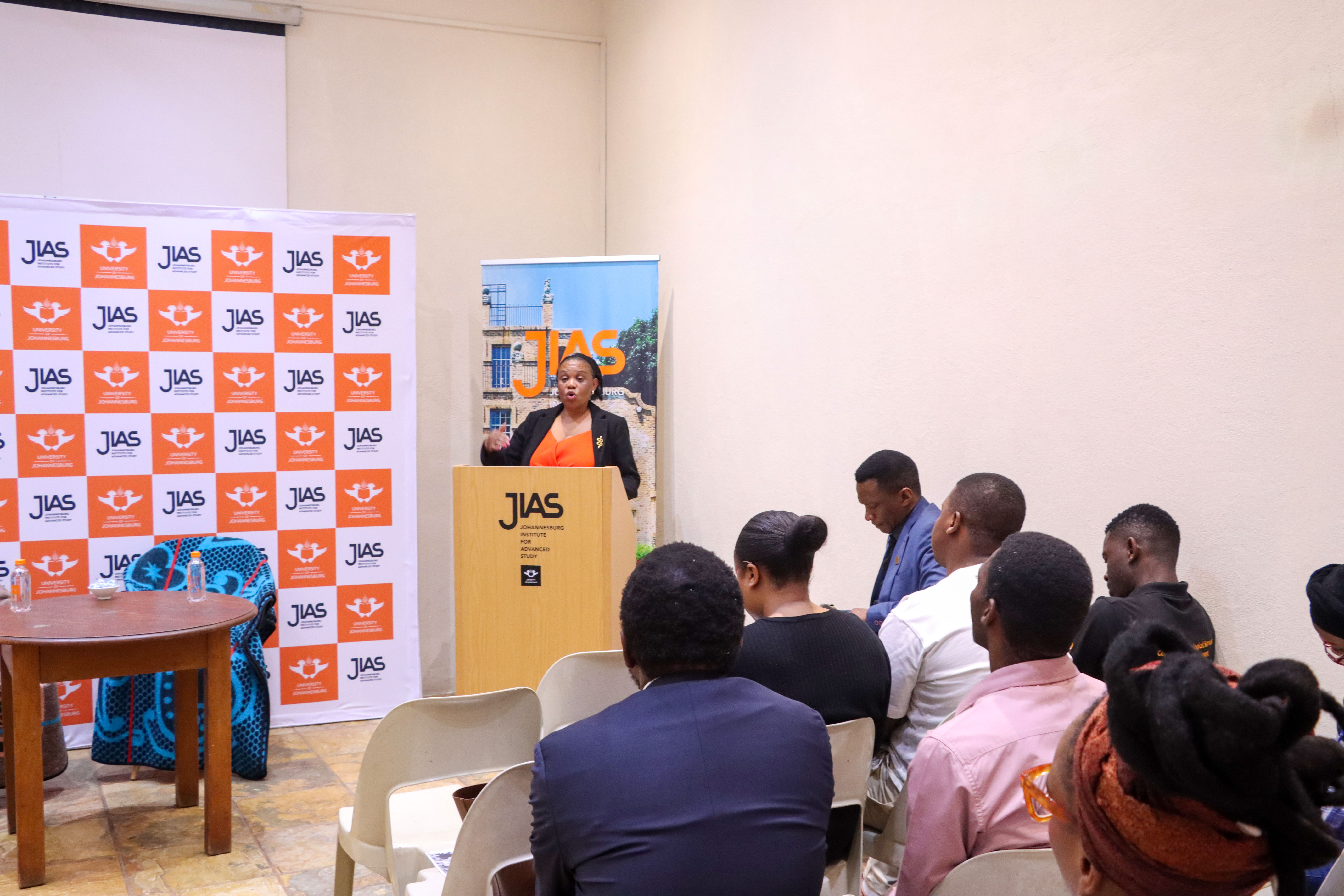
This was the central challenge raised by Prof Pearl Sithole, Chief Executive Officer of the National Institute for the Humanities and Social Sciences, during her keynote address at the launch of the Johannesburg Institute for Advanced Study Women’s Month Seminar Series on 6 August 2026.
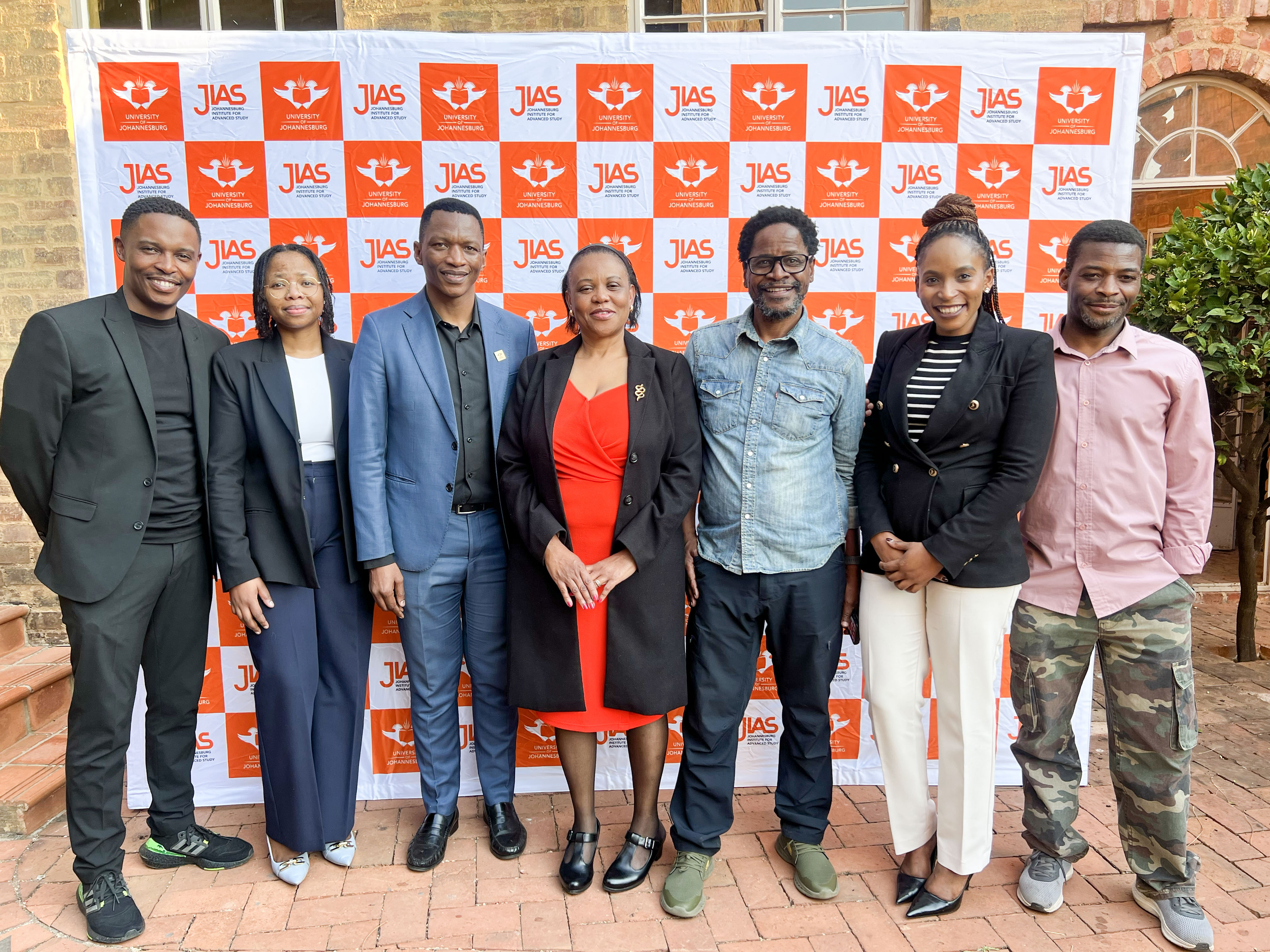
The launch brought together academics, researchers, writers, students and members of the broader scholarly community for reflection and dialogue on women, gender, knowledge production and social justice. The seminar series was introduced as a month-long programme intended to create space for rigorous, cross-disciplinary engagement with questions affecting women and society.
Reflecting on the legacy of the women who marched to the Union Buildings in 1956, Prof Sithole argued that their courage should not be honoured through symbolic repetition alone.
The historical importance of their action, she suggested, lies in their willingness to confront the urgent injustices of their time. Contemporary society therefore carries a responsibility not merely to commemorate that generation, but to demonstrate the same determination in responding to the challenges confronting women today.
“They would be happy if we solved the issues of the time.”
Rather than expecting present generations to replicate the actions of women of 1956, Prof Sithole suggested that their legacy calls on institutions, scholars and communities to identify and address the inequalities of the present.
Her keynote positioned Women’s Month as both a remembrance and an opportunity to measure of progress.
The question should not only be whether women’s struggles, achievements and contributions are recognised, but whether the conditions under which women live, work, lead and participate in institutions are substantively changing.
This requires closer examination of persistent inequality in workplaces, universities, families, communities and public institutions, including systems through which women’s labour, knowledge, authority and experiences may continue to be undervalued.
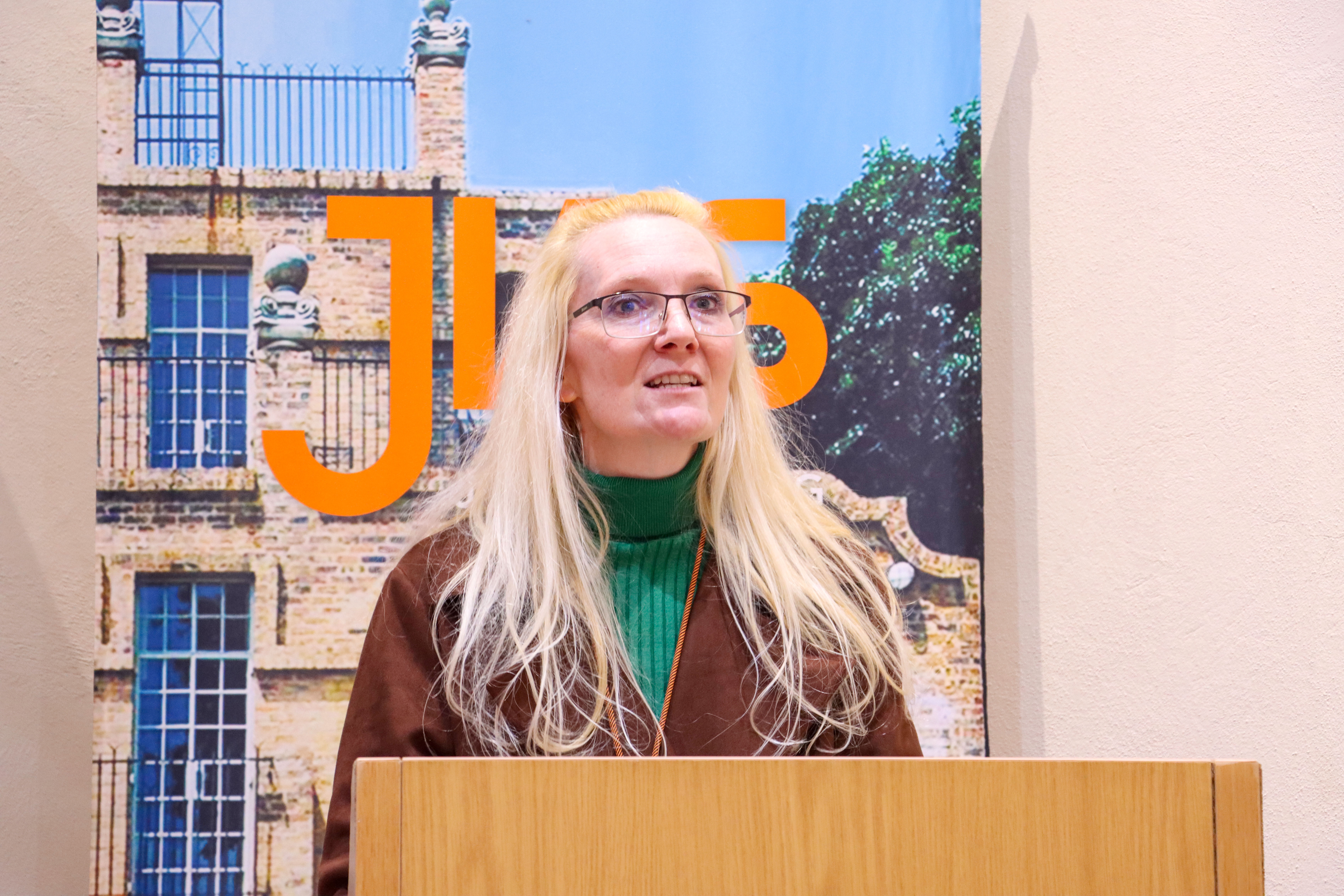
A central concern in Prof Sithole’s address was the relationship between research and social impact.
She reflected on the substantial volume of scholarly work, consultation, policy development and institutional activity taking place across South Africa, while asking whether these efforts are sufficiently contributing to tangible solutions.
“Why have we not confronted the gap between diagnosis and solutions to societal problems?”
The question challenged the humanities and social sciences community to examine whether it has become increasingly effective at identifying and describing social problems without always succeeding in helping society to respond to them.
Prof Sithole did not dismiss the importance of diagnosis. Understanding the nature, history and complexity of a social problem remains essential. Her argument, however, was that scholarship cannot end with identifying what is wrong.
Research must also consider what should follow from the diagnosis, how findings can influence policy and practice, and whether engagement with communities and stakeholders ultimately contributes to meaningful outcomes.
This also requires researchers and institutions to reflect critically on the knowledge they use to understand South African realities. Prof Sithole questioned whether theories and approaches developed elsewhere are sometimes applied too readily to local contexts, rather than allowing South African experiences and circumstances to contribute more directly to shaping theory, methodology and intervention.
Consultation, similarly, should not become a procedural exercise undertaken merely to satisfy research requirements. It should contribute to knowledge and responses that are relevant to the people, communities and institutions concerned.
For the NIHSS and the broader humanities and social sciences community, this challenge speaks directly to the responsibility of scholarship to remain socially relevant and responsive to the realities it seeks to understand.
Prof Sithole then turned attention to the institutional mechanisms through which inequality can continue even in environments that formally support transformation.
She cautioned against allowing Women’s Month to become a ceremonial period during which institutions communicate appropriate messages about empowerment and gender equality without examining the distance between those commitments and women’s everyday experiences.
Gender inequality, she argued, does not always operate through obvious exclusion.
It may also be reproduced through institutional cultures, professional expectations, promotion practices, workloads, performance measures and established definitions of excellence.
Women may therefore be present within workplaces and academic institutions while continuing to experience unequal recognition, restricted authority, insufficient institutional support or the repeated expectation that they must prove their competence.
Prof Sithole also challenged institutions to interrogate the way the language of “empowerment” is sometimes applied.
While empowerment remains important and is generally presented as a positive intervention, she questioned approaches that unintentionally begin from the assumption that women are inherently deficient or require correction before they can exercise leadership and authority.
The more important institutional question is whether people appointed to positions are afforded the trust, resources, legitimacy and support required to succeed.
Genuine inclusion, therefore, cannot be measured solely through how many women are present. It must also consider whether women are heard, trusted, appropriately resourced and able to exercise meaningful authority.
Prof Sithole directed particular attention towards the experiences of women within academic and research institutions.
She observed that performance systems frequently measure scholars according to the number of publications, applications and outputs they produce, while treating their wider social and domestic responsibilities as private matters that fall outside institutional concern.
For many women, however, care responsibilities and professional expectations are not separate realities. They continuously interact and shape the conditions under which women are expected to build academic careers.
Institutions may require equal outputs without sufficiently examining whether scholars are working under equal conditions.
Prof Sithole also emphasised that women do not experience inequality in identical ways. Race, class, professional status and access to institutional resources can significantly influence how inequality is experienced. An overall increase in the number of women in academia cannot therefore automatically be interpreted as evidence that all women have benefited equally.
Numerical representation provides important information about who is present. It does not necessarily reveal who is heard, who progresses, whose work receives recognition or whose knowledge shapes institutional decisions.
Another important concern raised during the keynote was the often less visible labour performed by women who support institutions and leaders without receiving equivalent authority or recognition.
Prof Sithole referred to women who spend significant portions of their careers deputising, solving problems and ensuring institutions function, only for others to present that work or receive the recognition associated with leadership. This is a phenomenon she characterises as ‘the menial ditch’ in her recent writing, and which affects black women in professions.
These experiences can be difficult to capture through conventional measures of institutional transformation.
Prof Sithole’s argument was that genuine inclusion cannot be measured through appointments alone. An institution may report that women occupy certain positions without considering the quality of their participation, the decision making authority attached to those roles or whether their intellectual and professional contributions receive appropriate recognition.
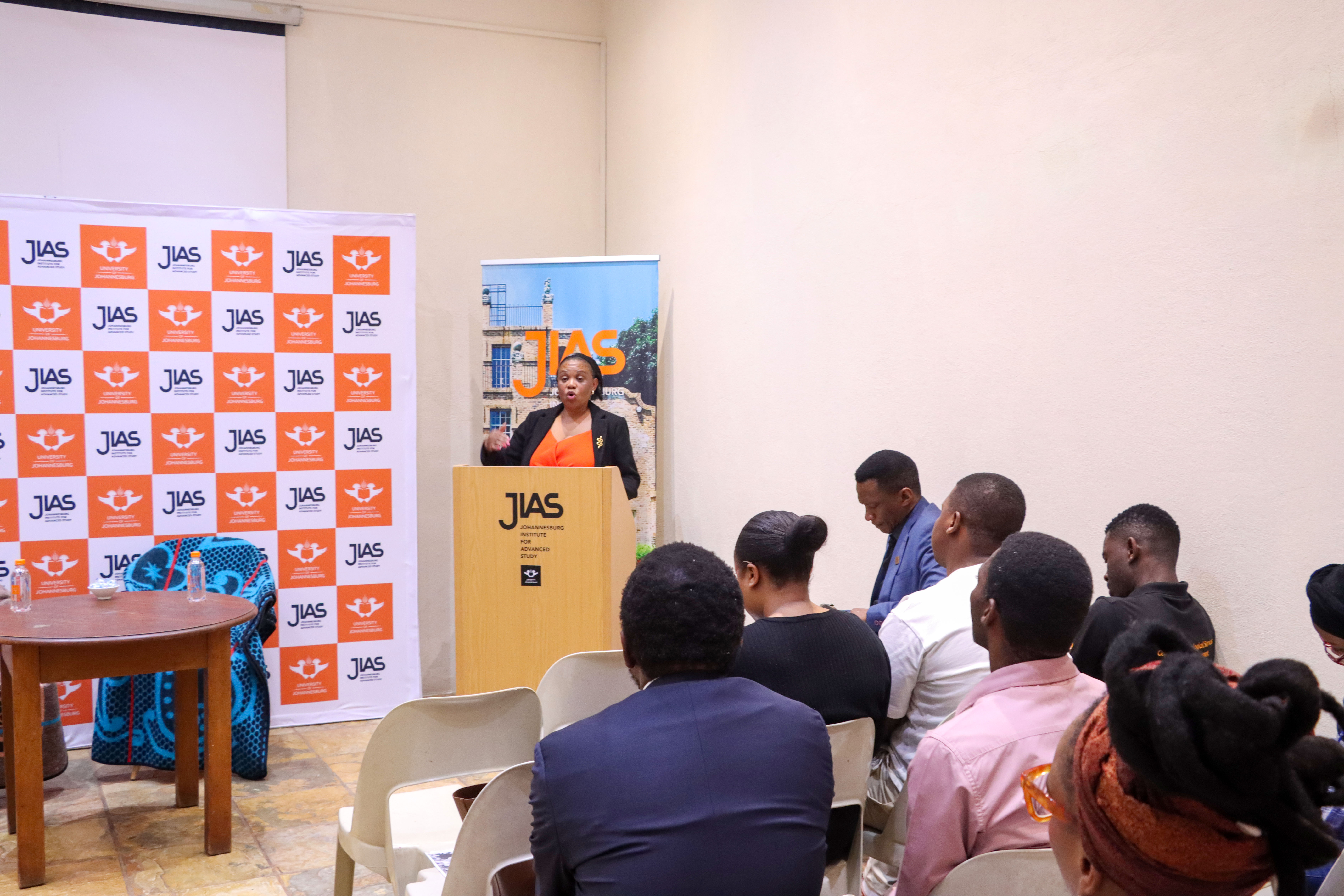
The challenge, therefore, is to move beyond appointment and representation towards substantive participation.
Women must not only be present within institutions. They should also have the power to influence decisions, shape institutional agendas, lead, innovate and receive recognition for the work they contribute.
Prof Sithole further reflected on the importance of research methods capable of documenting the complexity of women’s experiences and expressed concern that social science systems may privilege quantitative measures while undervaluing qualitative research capable of explaining how and why inequality is experienced.
While quantitative measures are valuable in demonstrating representation, promotion rates, research outputs and participation levels, numerical data alone may not fully explain the relationships, institutional cultures and everyday practices through which inequality is experienced.
Qualitative research can help illuminate those dimensions by documenting experiences and organisational dynamics that might otherwise be dismissed as isolated or anecdotal. It can reveal how inequality operates through everyday interactions, professional expectations and organisational cultures.
For Prof Sithole, this is critical because the tools used to study inequality may themselves influence which experiences become visible and which remain hidden.
This concern extends beyond research methodology to institutional performance systems more broadly. Institutions may count workshops, appointments, publications, initiatives and campaigns while providing limited insight into whether those activities have changed women’s experiences or transformed institutional culture.
Prof Sithole therefore drew an important distinction between measuring effort and measuring impact.
An institution may demonstrate that numerous activities have taken place while remaining unable to show how those activities have improved women’s safety, recognition, leadership opportunities, working conditions or capacity to exercise authority.
This concern is particularly relevant during Women’s Month.
The number of seminars, campaigns and public messages undertaken during August cannot, by itself, determine whether meaningful progress has been achieved. The more difficult measure is whether the ideas and commitments articulated during the month influence the systems in which women live and work throughout the year.
Prof Sithole also invited institutions to interrogate how they define and reward excellence.
She cautioned that systems of excellence may reward status, conventional outputs and competitiveness while giving insufficient consideration to substantive contribution, social relevance or institutional impact.
This becomes particularly problematic where transformation and equity are positioned as secondary considerations to excellence, rather than as conditions that strengthen it.A transformed institution should not be required to choose between representation and excellence. Rather, it should examine whether its understanding of excellence is broad enough to recognise diverse forms of knowledge, leadership and contribution.
In concluding her keynote, Prof Sithole posed three questions that she said should continue to guide NIHSS and the broader scholarly community:
- How can institutions ensure that excellence and equity reinforce one another?
- How can women be included not only numerically, but be given the power to lead, innovate and shape the future of scholarship?
- How can diversity become a defining characteristic of academic excellence rather than merely an aspiration?
These questions shift the discussion away from symbolic inclusion and towards substantive institutional change.
Prof Sithole’s keynote ultimately gave Women’s Month both contemporary purpose and intellectual urgency.
It honoured the women of 1956 not by treating their struggle as a completed chapter, but by asking what their example requires of society today.
For the humanities and social sciences, this means continuing to interpret society, preserve memory and expose injustice, while strengthening the connection between research and response, theory and practice, consultation and implementation, and institutional inclusion and meaningful authority.
Women’s Month should therefore not end with recognition alone. It should leave institutions with difficult questions, stronger scholarship and a clearer responsibility to act.
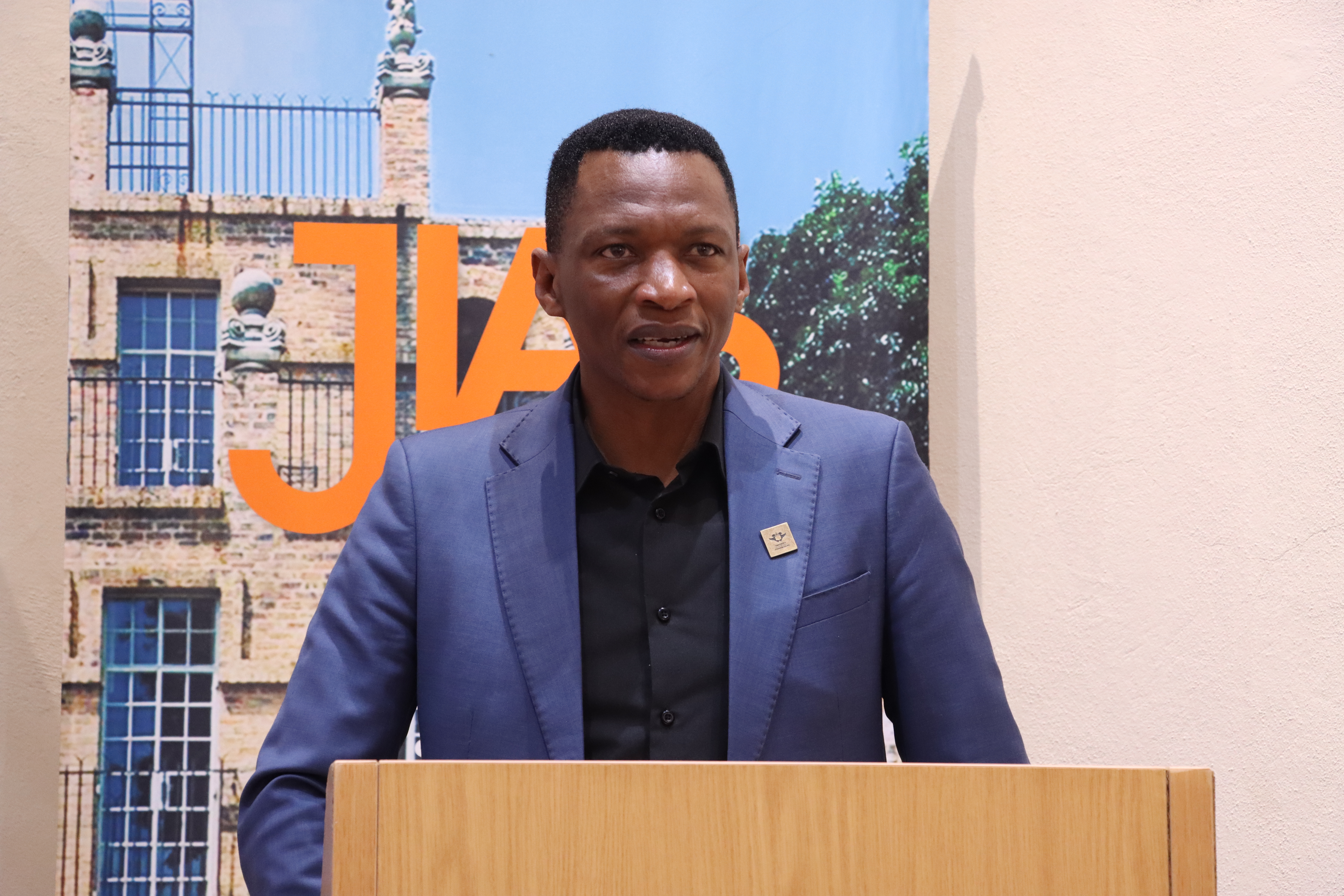
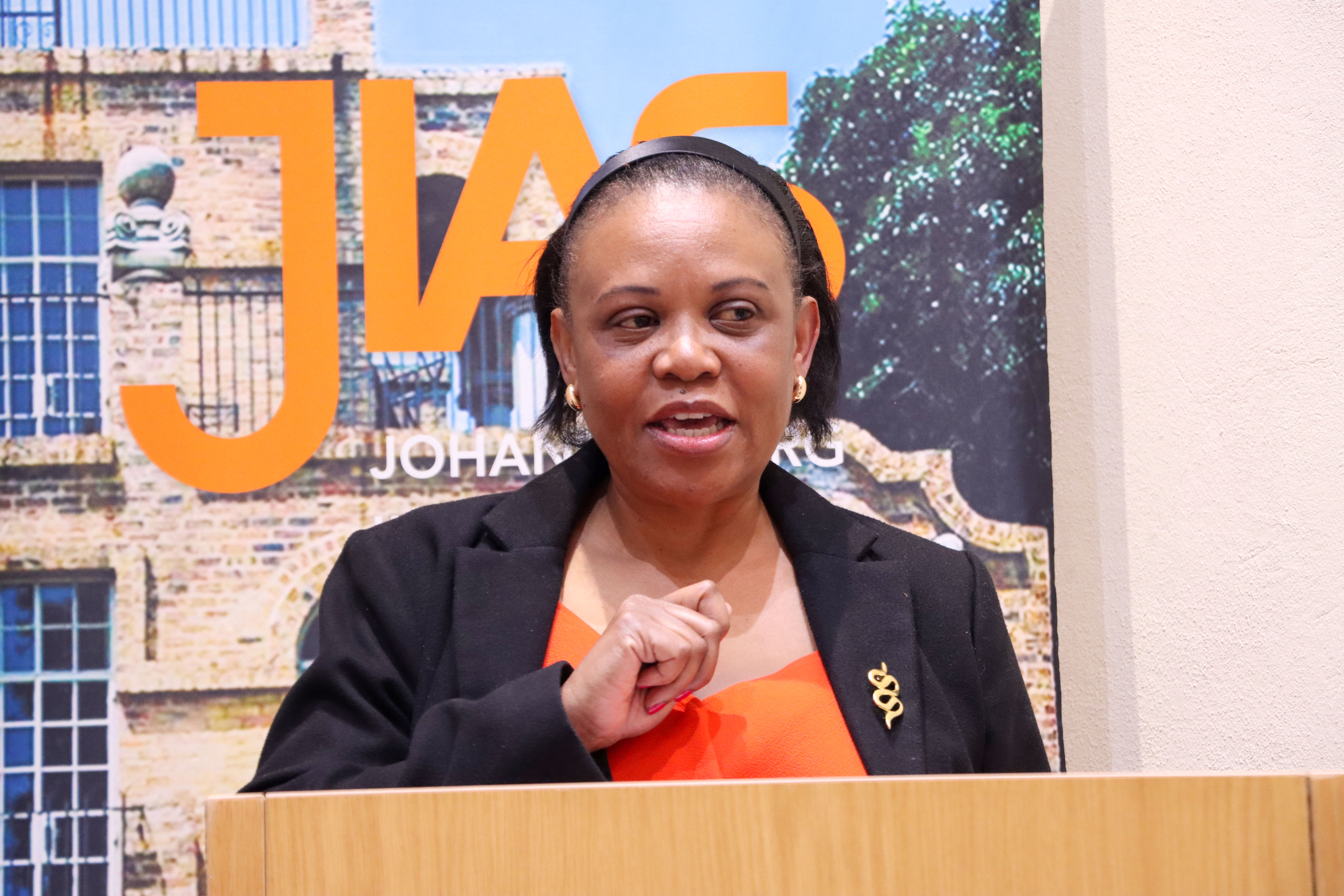 The occasion also carried special significance for the NIHSS through the presence of Prof Siphiwo Mahala, acting director at JIAS who served as Programme Director for the event.
As an NIHSS doctoral graduate, Prof Mahala’s role in welcoming Prof Sithole, now leading the Institute that supported his own doctoral journey, represented a meaningful full-circle moment for the NIHSS.
His presence reflected, in a tangible way, the long-term impact of investing in scholars who go on to become established academics, intellectuals and contributors to South Africa’s knowledge community.
The moment connected the Institute’s past investment in developing scholars with its present leadership and continuing commitment to strengthening the humanities and social sciences.
It also served as a reminder that the impact of academic development is not always immediate or confined to a single qualification. It can be seen over time as scholars assume new roles, create knowledge, influence public conversations and contribute to the intellectual institutions and communities around them.
The launch programme continued with a seminar by historian and author Zikhona Valela, titled Nomadabi: Winnie Madikizela-Mandela, a Figure Forged in Struggle.
The JIAS Women’s Month Seminar Series will continue throughout August, providing further opportunities for critical engagement with women’s experiences, histories, leadership and contributions to society.
For more information on upcoming events and the full seminar programme, visit the JIAS website at: https://www.jias.joburg/